Advanced Agriculture Drone Manufacturing
Drone Services
Spraying-as-a-Service (SaaS)
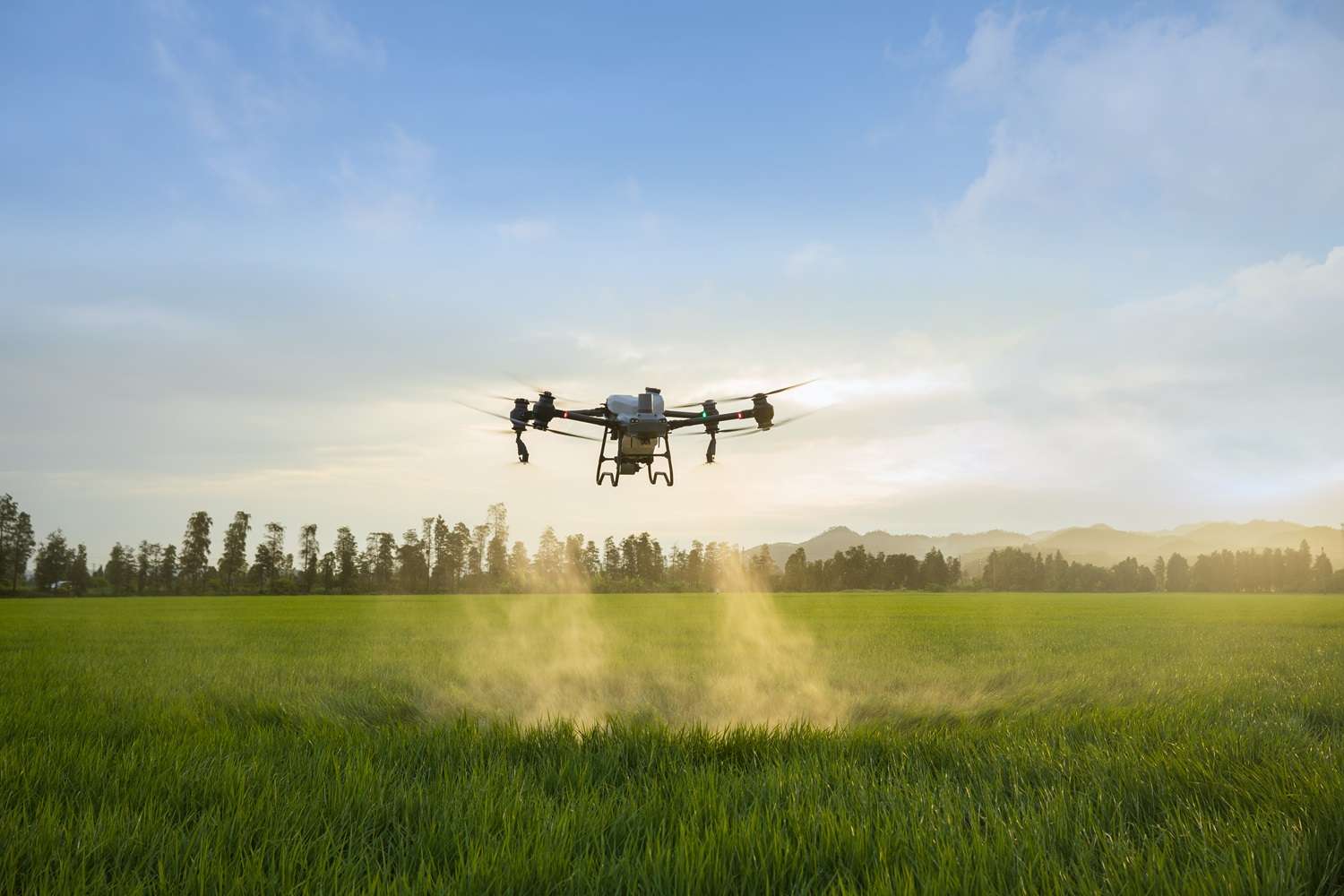
To facilitate the widespread adoption of emerging agricultural technologies, it is essential that such innovations are first demonstrated to prospective users and beneficiaries. In alignment with this principle, we initiated our Agricultural Drone Spraying Services and demonstration programs. Through these efforts, we have successfully covered over 50,000 acres and delivered direct benefits to a substantial number of farmers. Furthermore, we have established strategic collaborations with reputed global agri-chemical companies.
Our in-house designed Agricultural Spraying Drone, the SYENA-H Series, has been extensively deployed across multiple crop varieties. [Insert link here].
In addition to agricultural spraying, our drones have demonstrated exceptional efficiency in urban pest control (mosquito spraying) and disinfectant applications. With minimal modifications, this versatile platform is also capable of performing tasks such as granular fertilizer spraying, thereby enhancing its overall operational utility.
Precision Drone Spraying Services
Eco-Smart Crop Care: Accurate. Sustainable. Reliable.
Dharani Agritech brings next-generation agriculture to your fields with advanced drone spraying services. Our precision spraying harnesses cutting-edge drone technology to deliver targeted crop protection and nutrition—maximizing yields, minimizing waste, and nurturing the earth.
Aspect | Drone-Based Methods | Traditional Manual Methods |
Speed | Covers large areas quickly and completes tasks in a fraction of the time. | Slow and labour-intensive, taking longer to complete the same work. |
Data Accuracy | High-precision data and analytics for informed decisions. | Accuracy depends on human judgement, increasing chances of errors. |
Labour Requirement | Requires minimal manpower, reducing workload and labour expenses. | Needs more workers, raising costs and effort. |
Cost Efficiency | Lower operating cost thanks to reduced labour and faster processes. | Higher costs due to manual labour and longer time frames. |
Data Collection | Captures detailed information on crop health, soil condition, pH, moisture, etc. | Limited and less detailed; requires physical checks and manual recordings. |
Precision | Targeted spraying, seeding, and irrigation based on real-time insights. | Less accurate, often causing over-application of chemicals and resources. |
Task Versatility | Supports multiple operations like mapping, monitoring, spraying, and seeding. | Mostly restricted to basic tasks like planting, harvesting, and manual spraying. |
Environmental Impact | Reduces wastage and conserves resources, promoting sustainable farming. | Can result in overuse of inputs, increasing environmental burden. |
Get in touch with us
FAQ
Frequently asked questions
Under the Drone-as-a-Service (DaaS) model, farmers pay per acre sprayed, making drone access affordable without needing to buy a drone.
drone can spray one acre in around 4 minutes, depending on payload and field conditions—far faster than manual spraying, which can take hours.
Yes. Drones are useful across multiple growth stages such as pre-sowing, vegetative, flowering, and harvest—for tasks including soil analysis, spraying, crop health assessment, and yield prediction.
Drones are built to handle minor weather variations, but flying in high winds or rain is not advised due to safety risks and reduced spray efficiency.